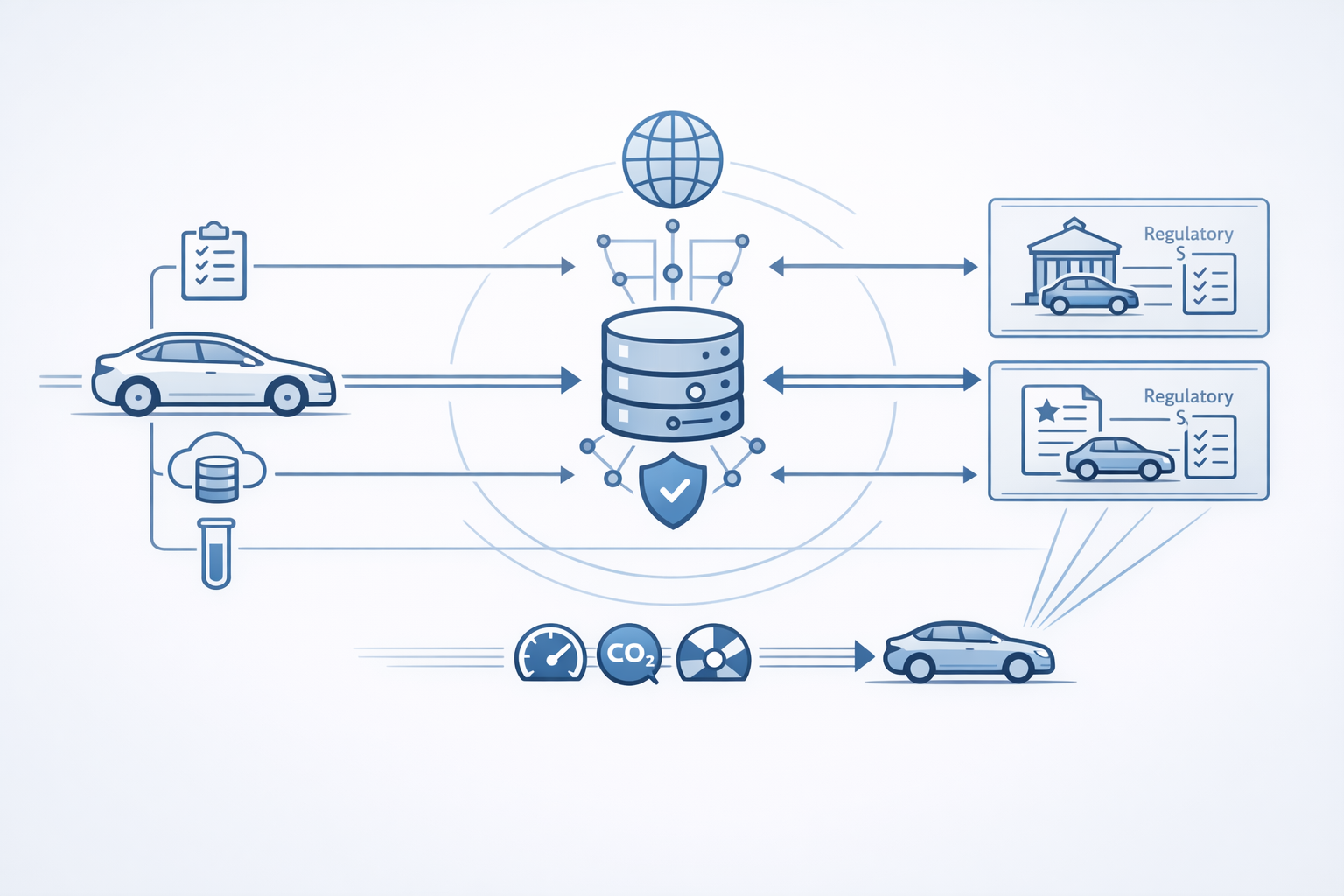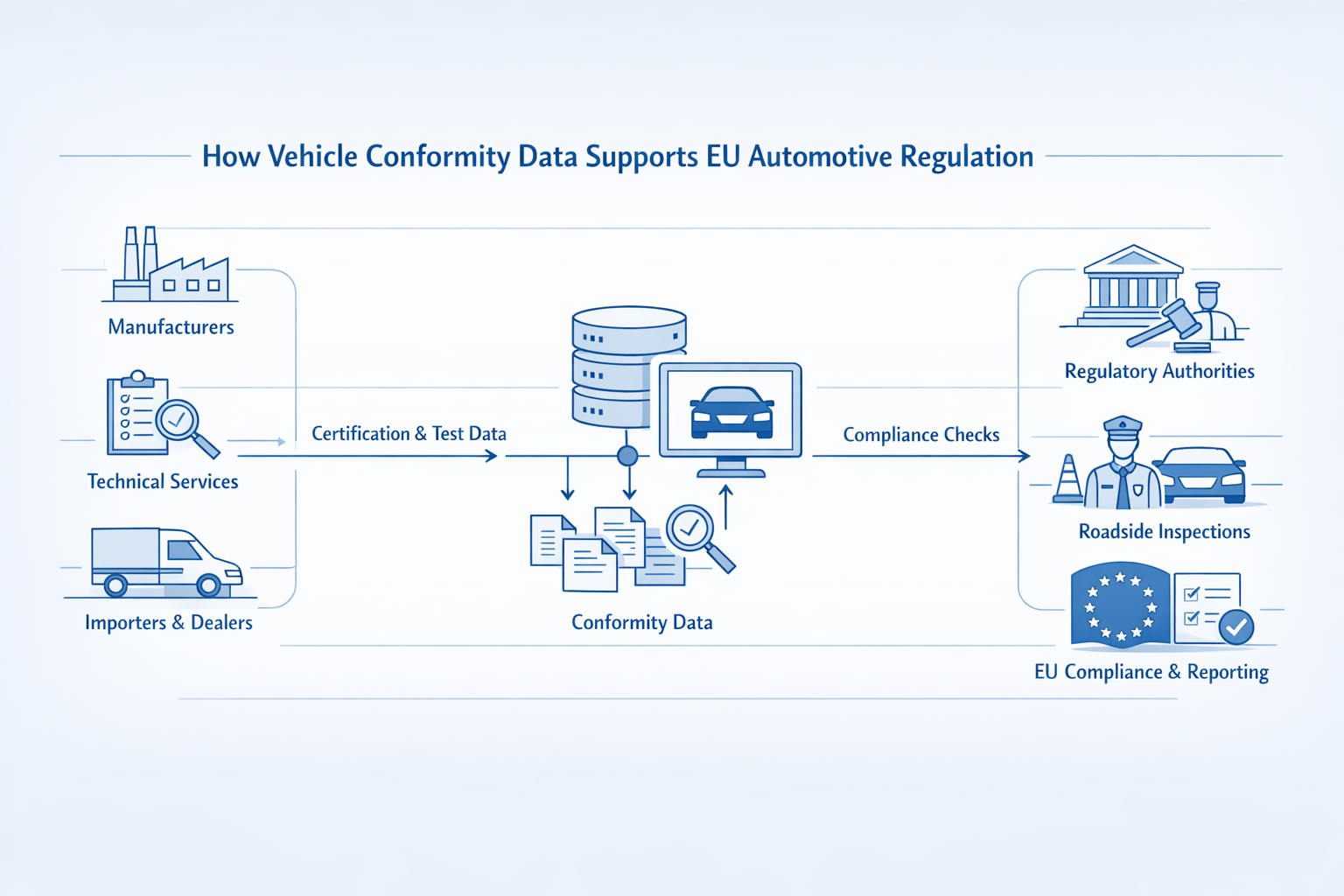
How Vehicle Conformity Data Supports EU Automotive Regulation
Understand how vehicle conformity data supports European automotive regulation and why accurate regulatory datasets are critical for compliance processes.
Vehicle Compliance
European vehicle compliance connects vehicle type approval, electronic Certificates of Conformity, IVI data, cross-border verification and ongoing regulatory data governance.
Use this authority page as the head-term entry point for the full cluster. Start here when you need one page that connects eCoC, vehicle compliance, vehicle type approval, IVI and EUCARIS before moving into deeper technical guides.
Explore the Knowledge HubVehicle compliance is the operating model that keeps approved vehicle specifications, regulatory references and registration-facing datasets aligned throughout the vehicle lifecycle. It combines approval evidence, conformity outputs and system-level governance so authorities can verify vehicles consistently.

Understand how vehicle conformity data supports European automotive regulation and why accurate regulatory datasets are critical for compliance processes.

Learn why consistent vehicle regulatory data is critical for automotive compliance and how inconsistencies can affect regulatory verification processes.
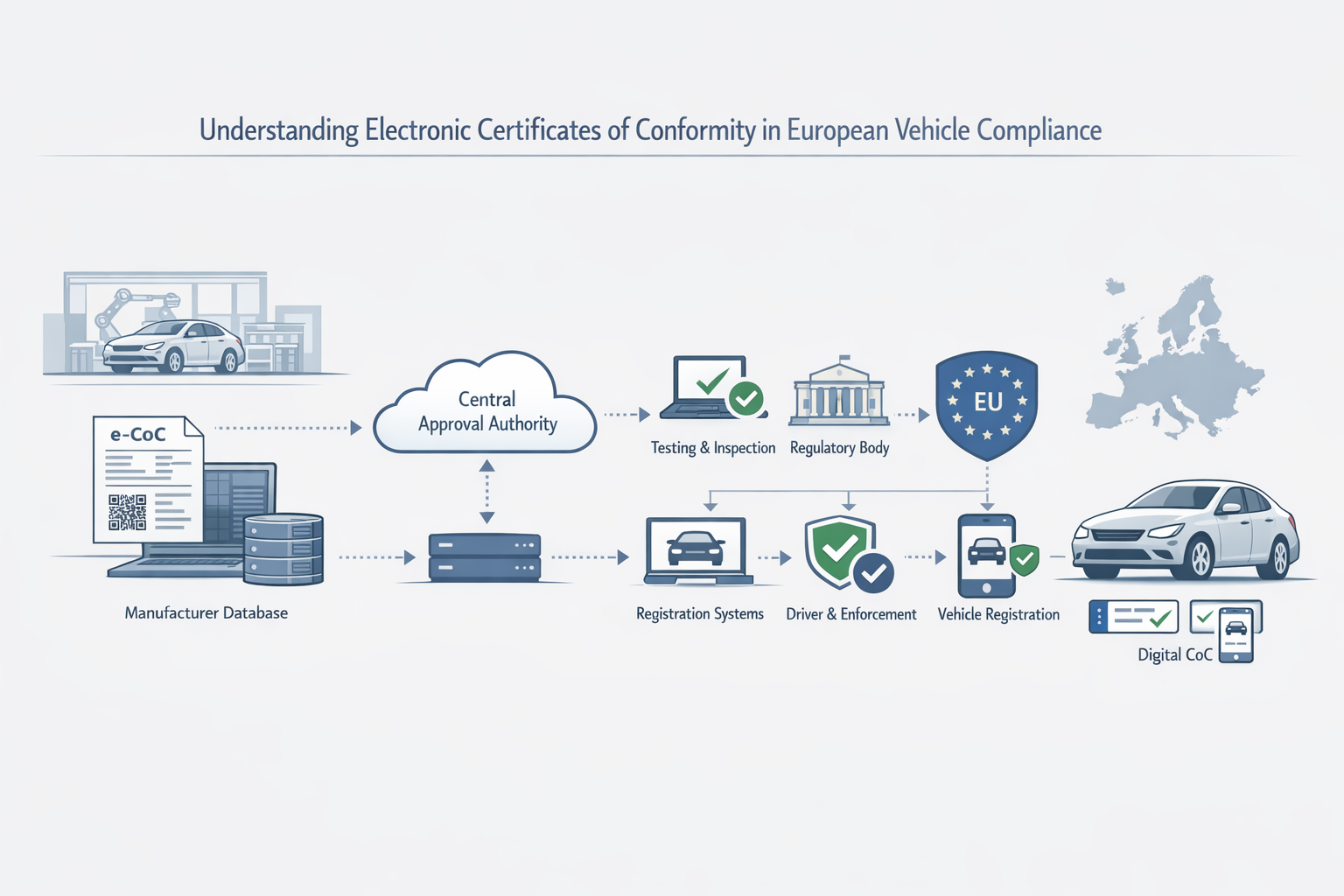
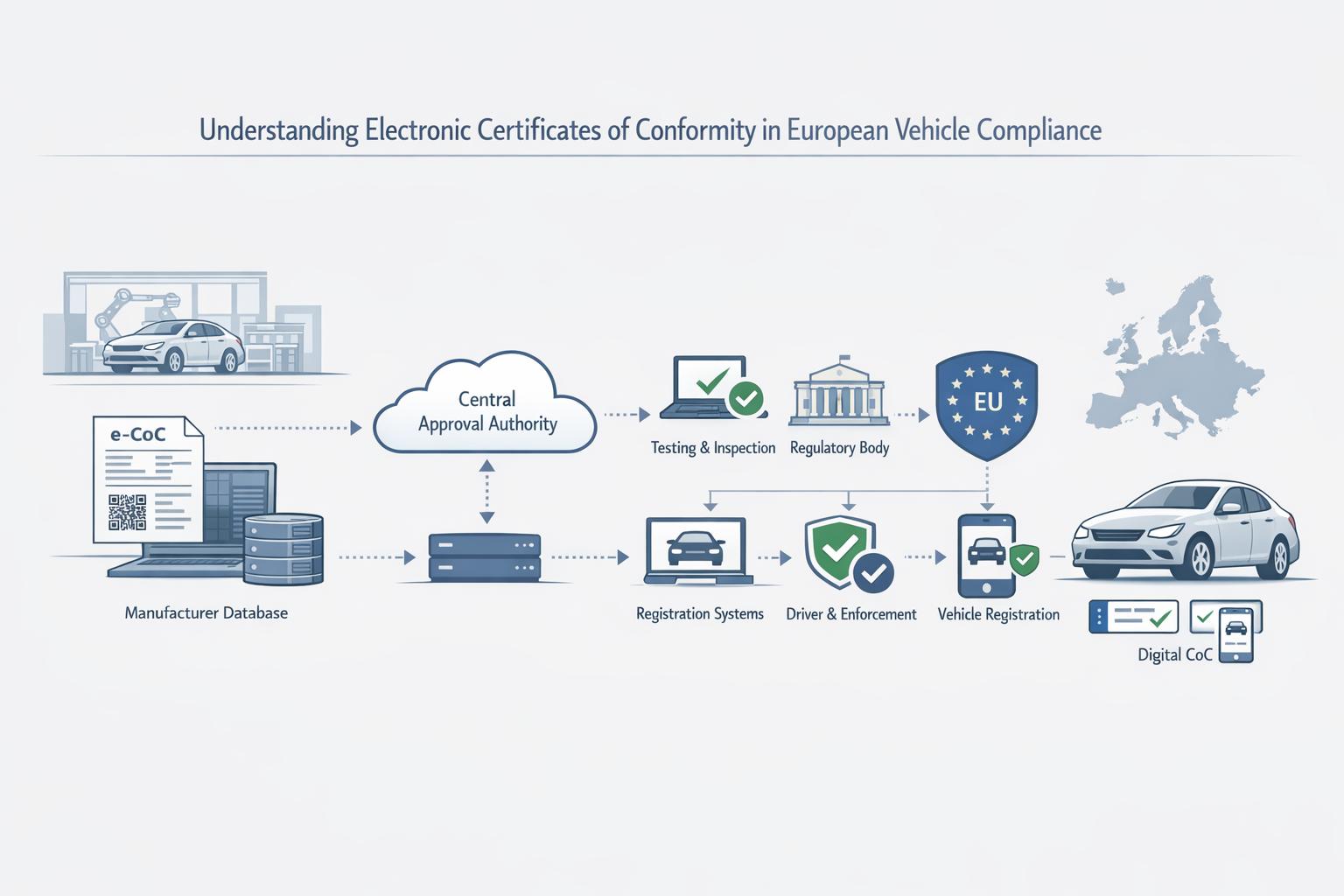
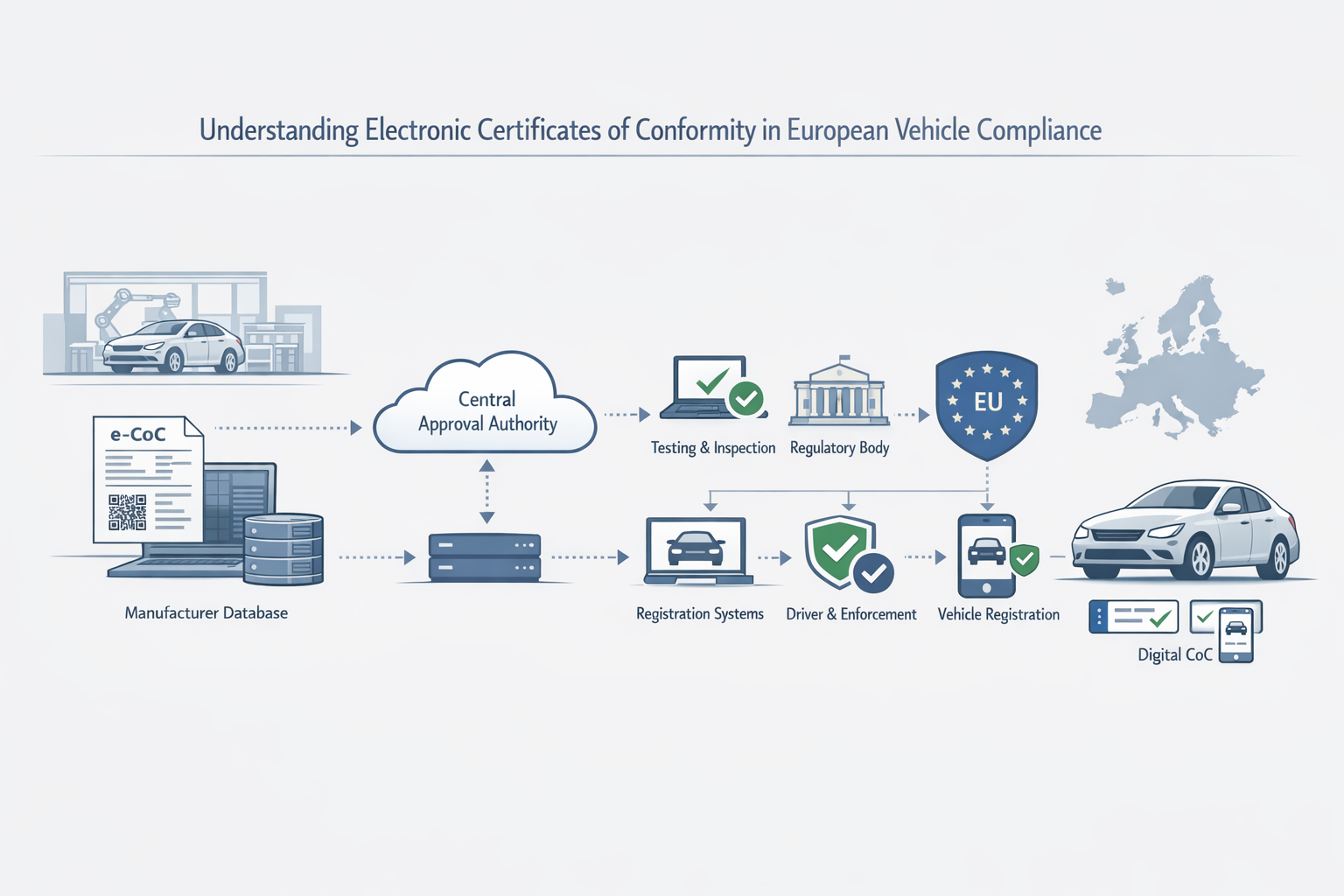
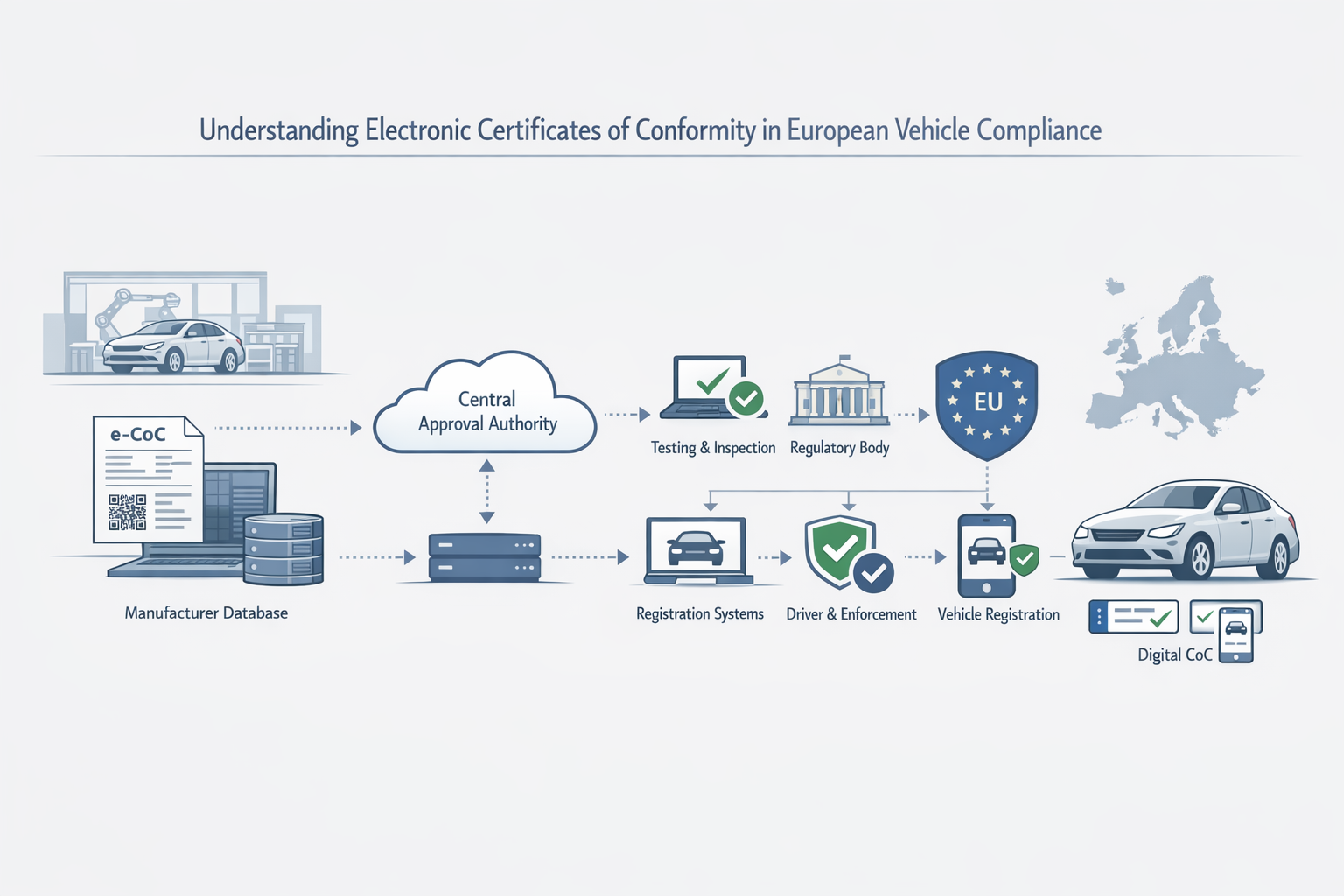
Electronic Certificates of Conformity translate approved vehicle characteristics into structured conformity outputs that can be exchanged and checked more efficiently than paper-based records alone.

Learn how electronic Certificates of Conformity (eCoC) support vehicle approval and compliance processes across Europe.

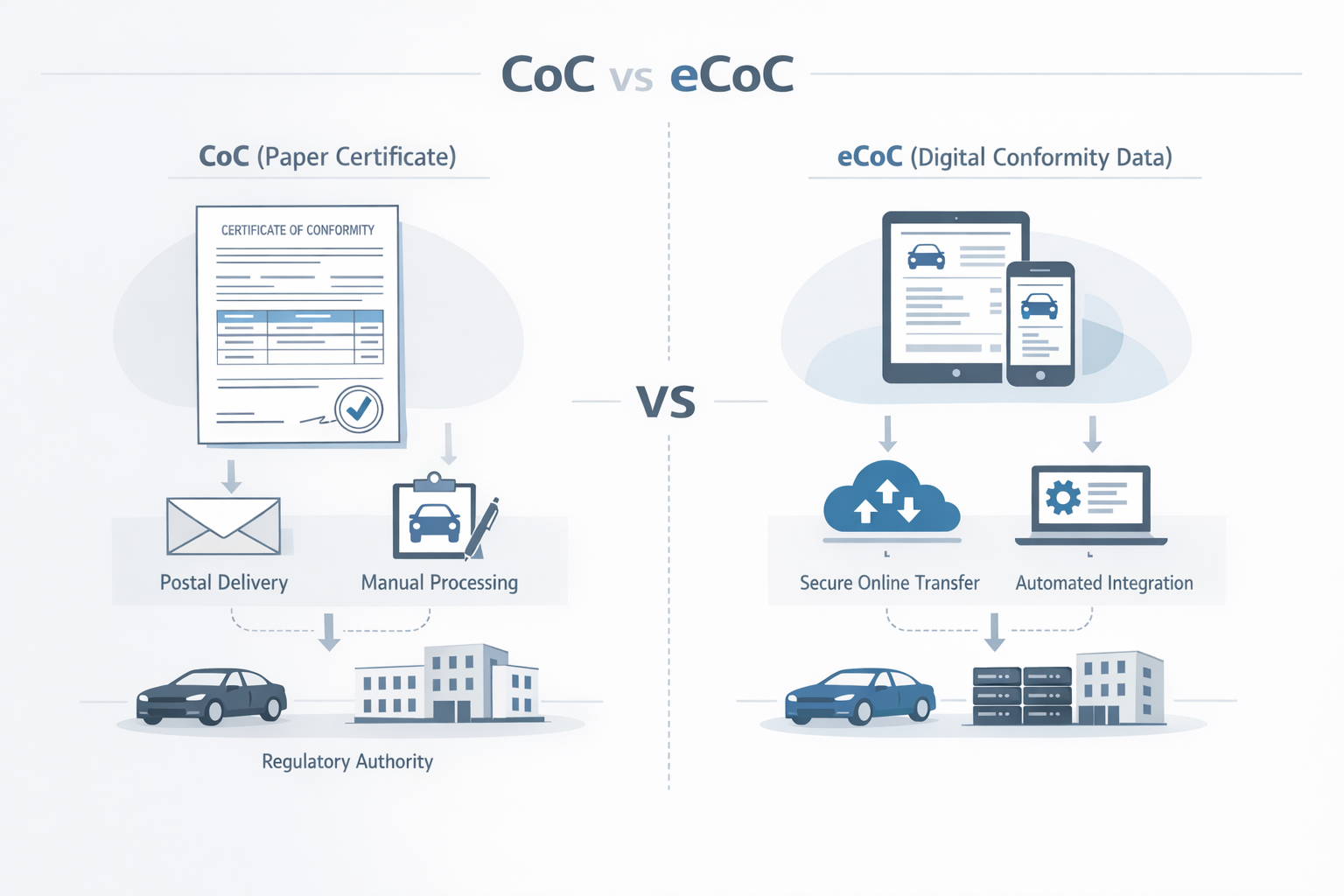
What is the difference between CoC and eCoC? Learn how electronic Certificates of Conformity differ from traditional conformity documents in European vehicle compliance.

Learn how the European eCoC transition moves manufacturers from paper Certificates of Conformity to structured electronic data workflows.

Understand the eCoC XML requirements manufacturers need to control before submission, including data quality, approval references and validation readiness.
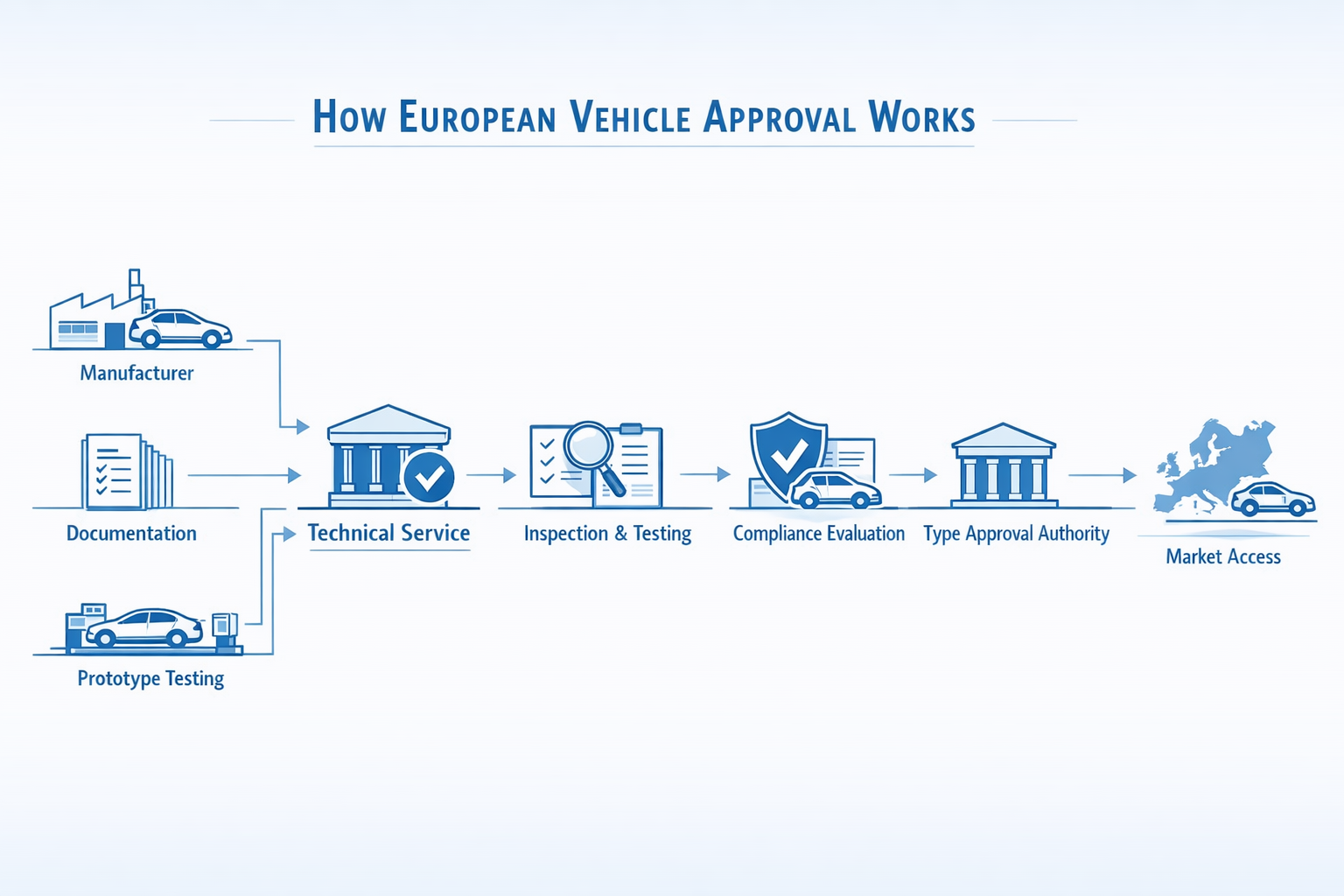
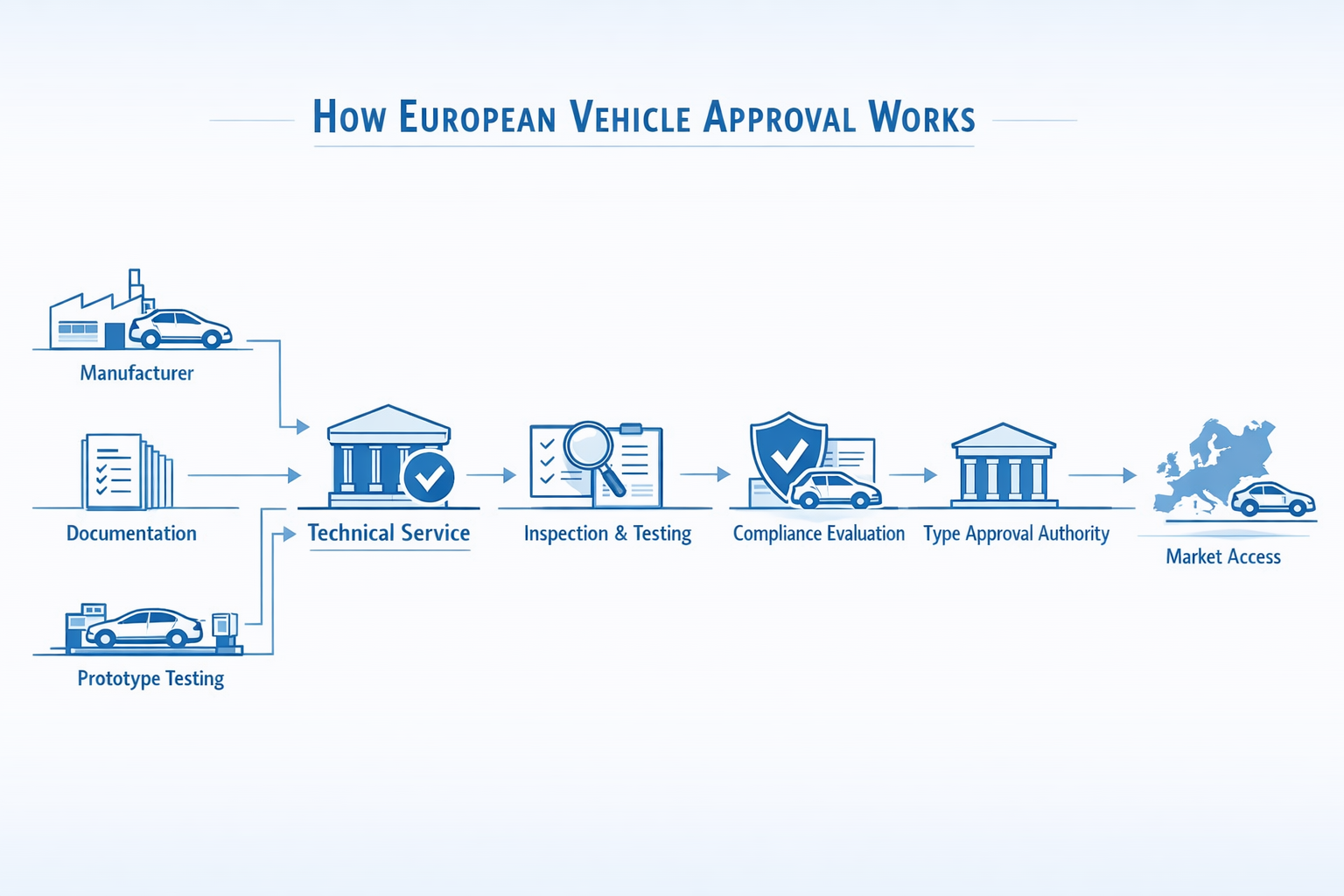
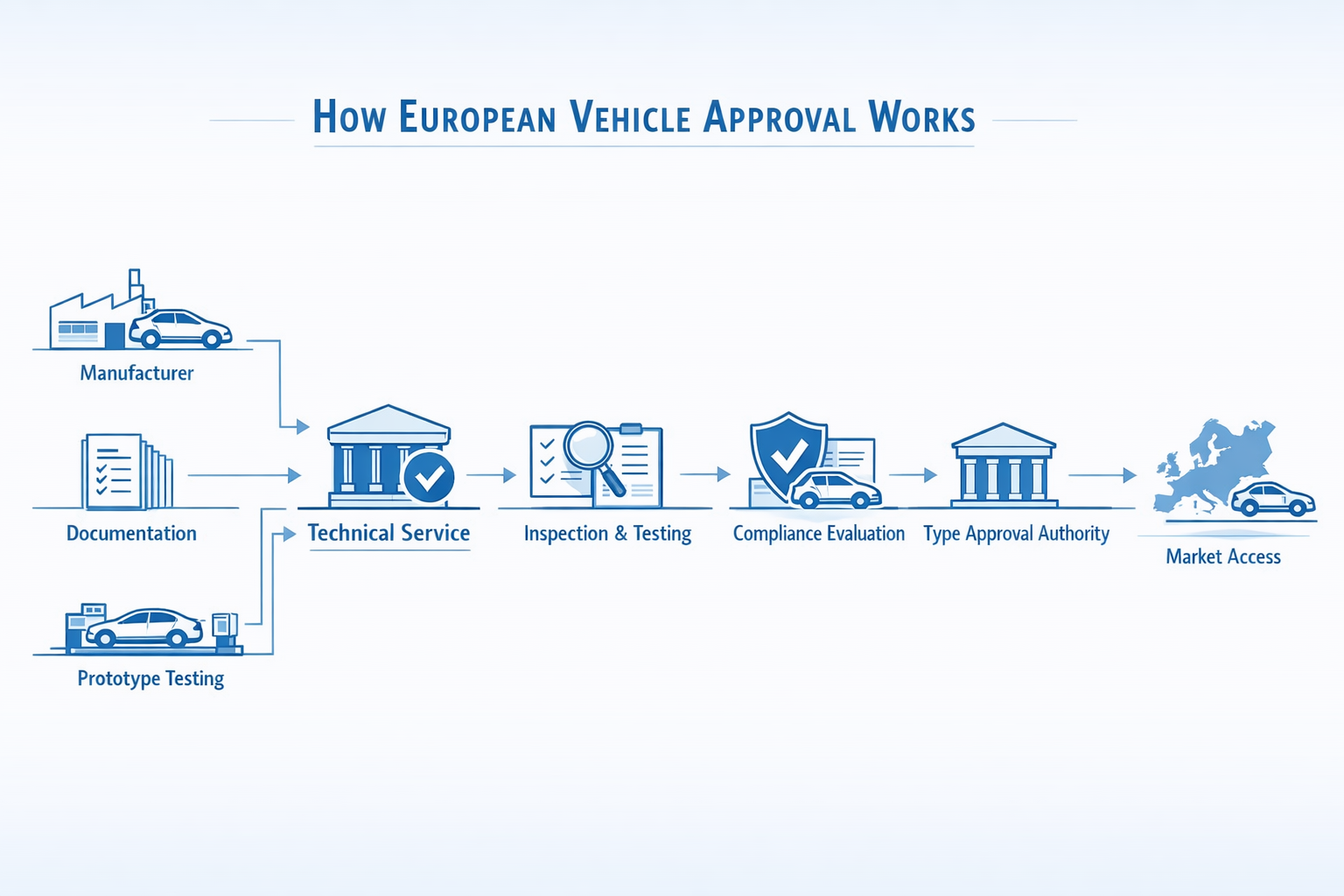
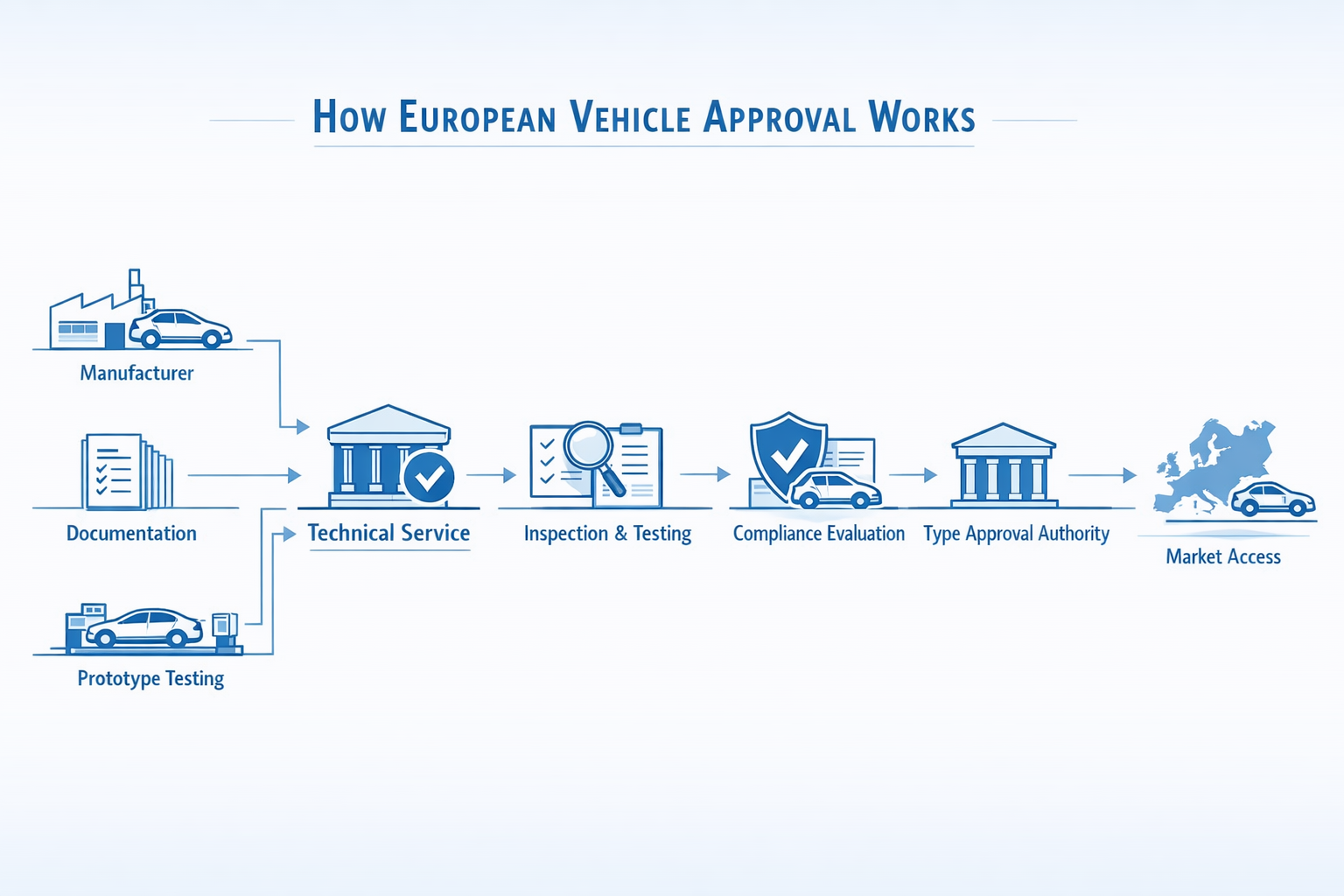
The European vehicle type approval system establishes whether a vehicle design meets harmonized technical, safety and environmental requirements before production vehicles enter the market.

Learn how the European vehicle type approval system works and how vehicles are verified for compliance before entering the EU market.

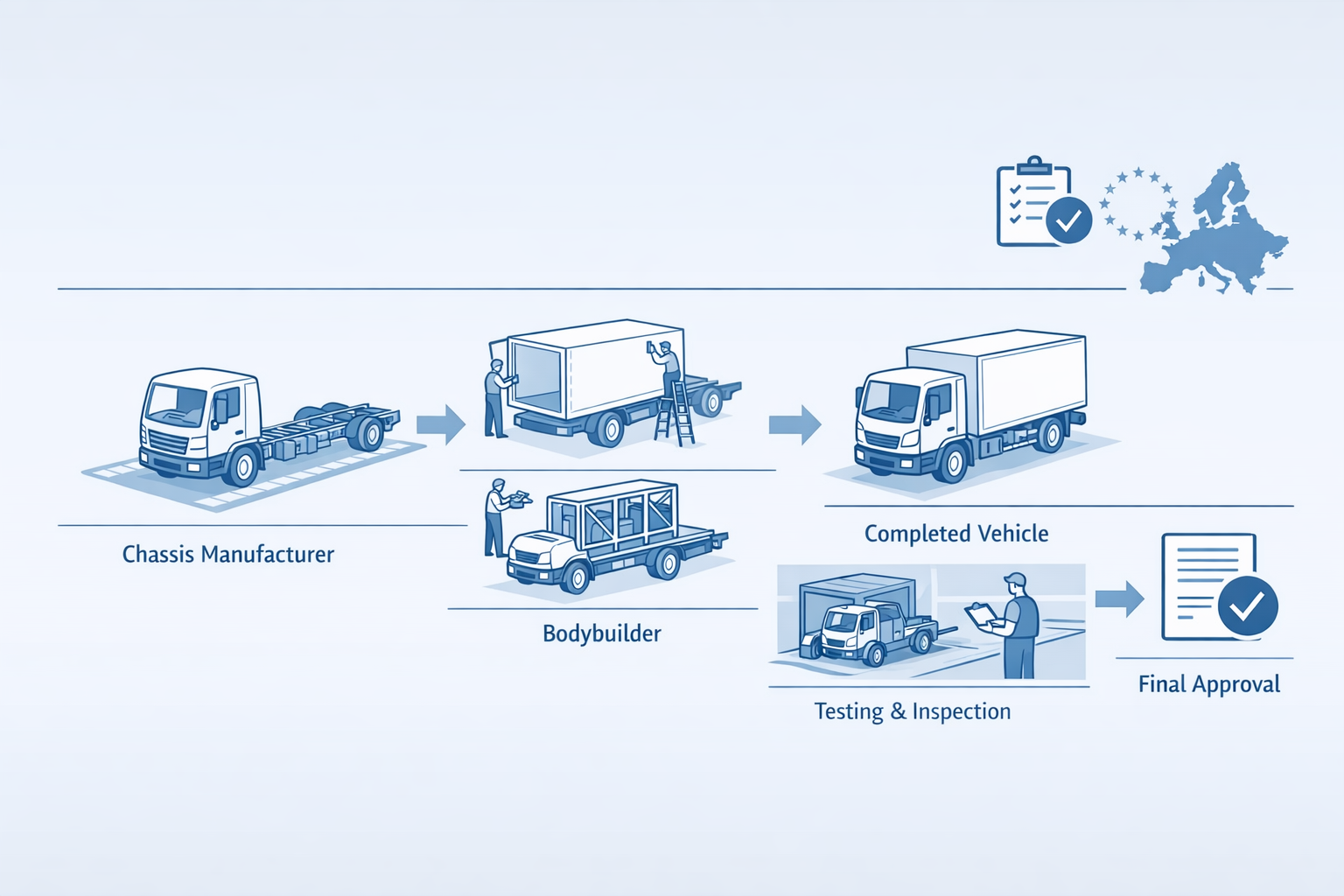
Learn how multistage vehicle approval works in Europe and how different manufacturers contribute to the compliance of specialized vehicles.
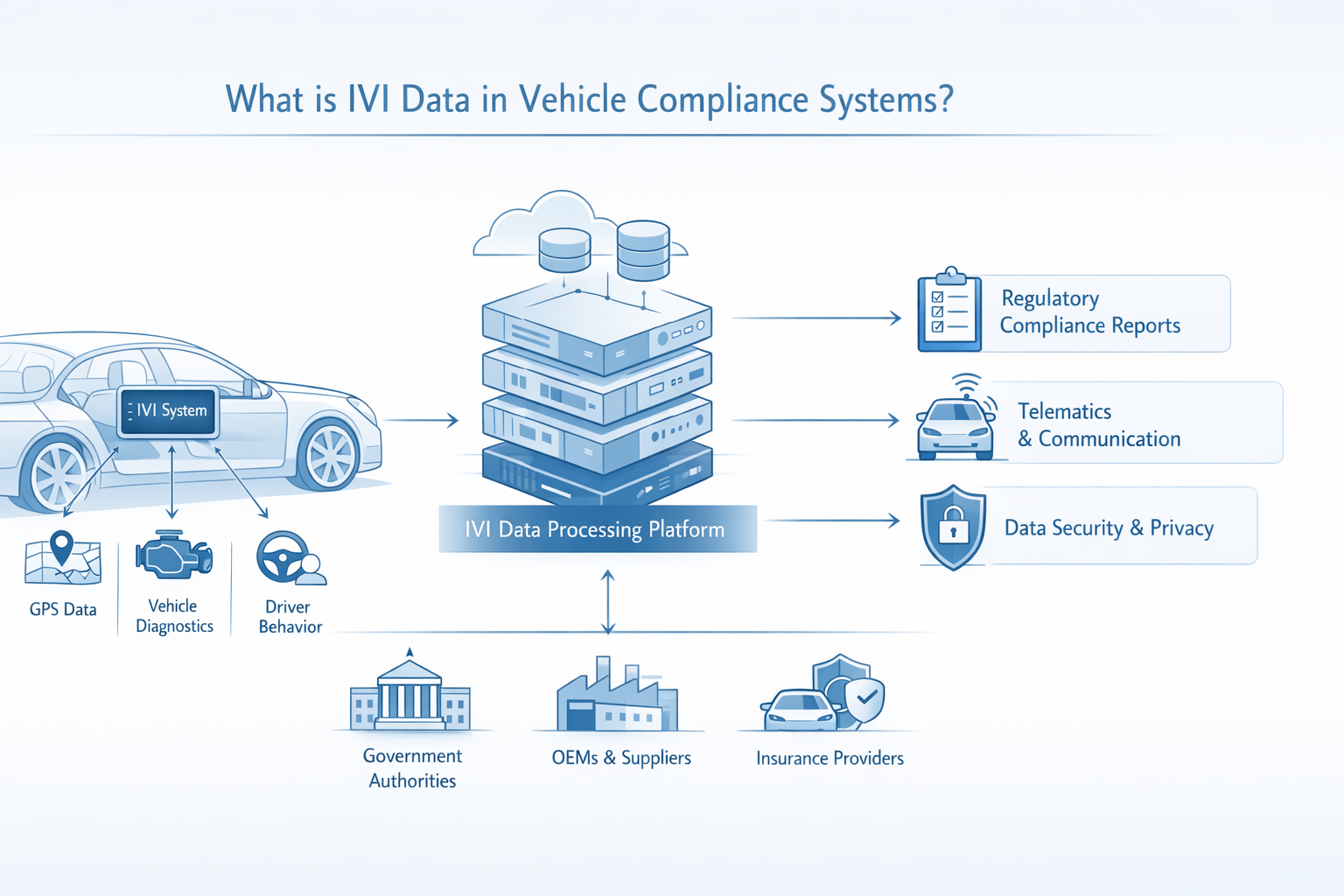
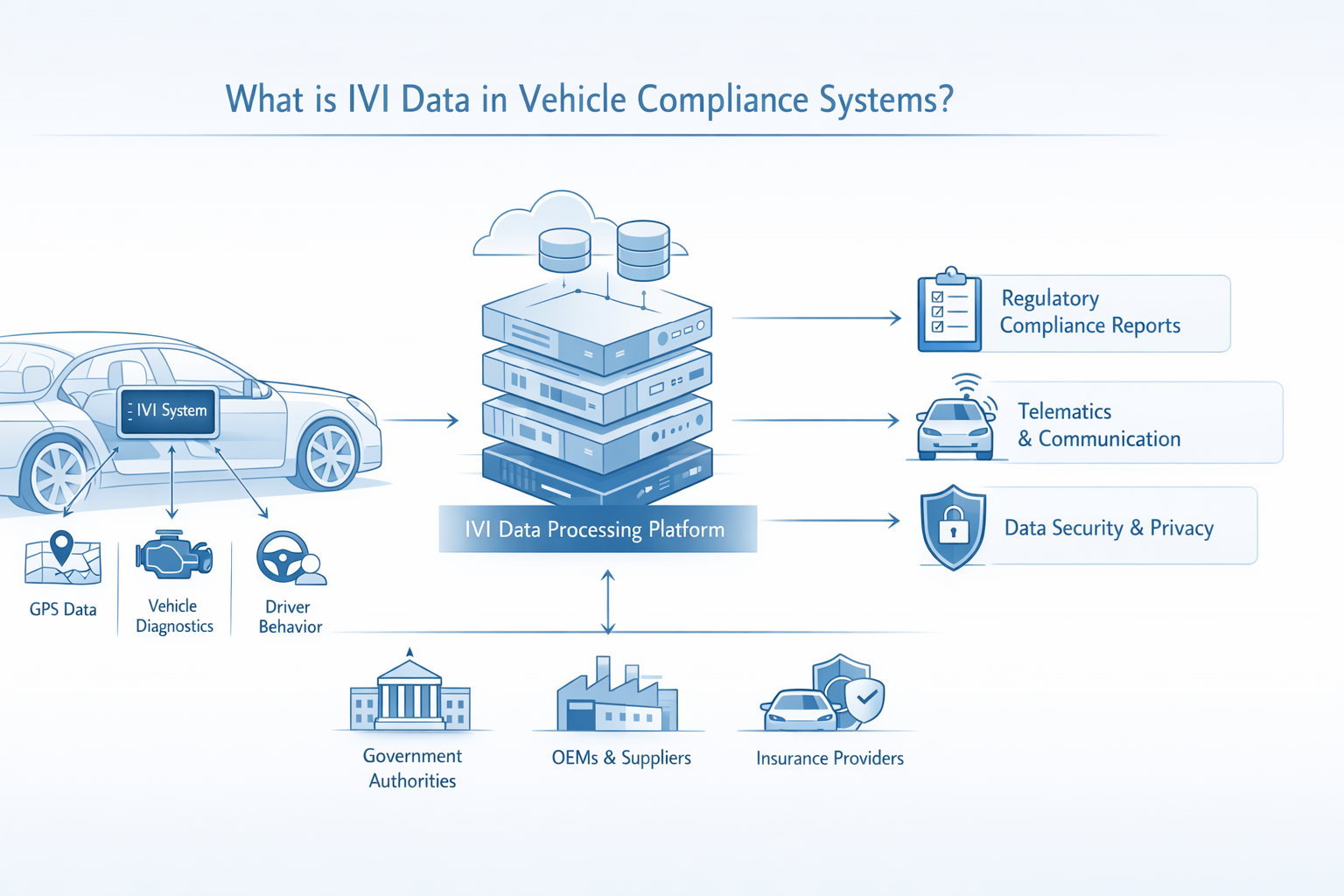
IVI structures give regulatory systems a consistent machine-readable representation of vehicle identity and technical characteristics, making downstream conformity and verification workflows more reliable.

Learn what IVI (Initial Vehicle Information) data represents and how it supports vehicle conformity and regulatory data exchange in European compliance systems.

Learn how manufacturers prepare IVI XML for electronic CoC submission and why structured vehicle data governance matters before release.

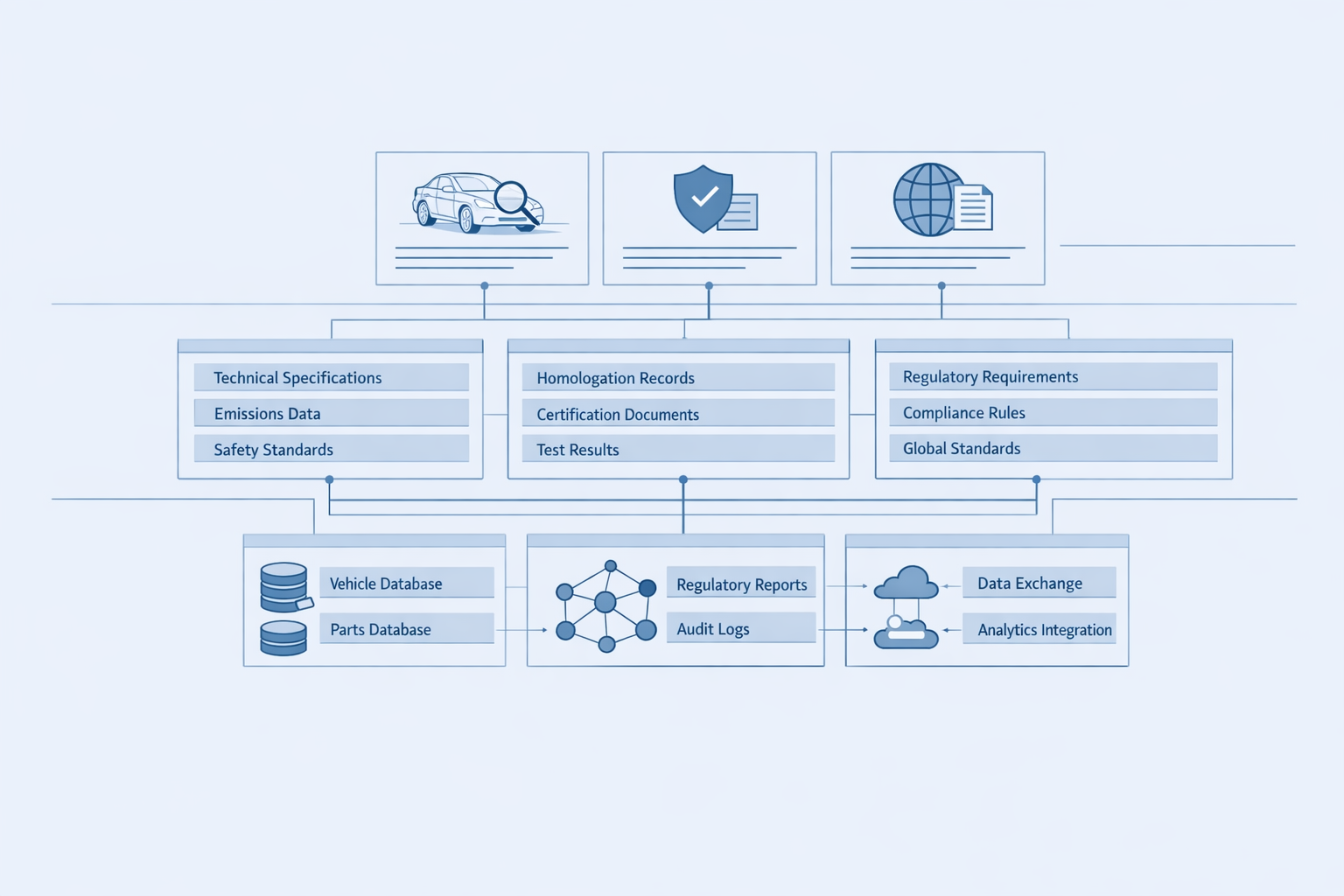
Structured vehicle data allows regulatory systems to process compliance information consistently. Learn why structured data is essential for automotive regulation.
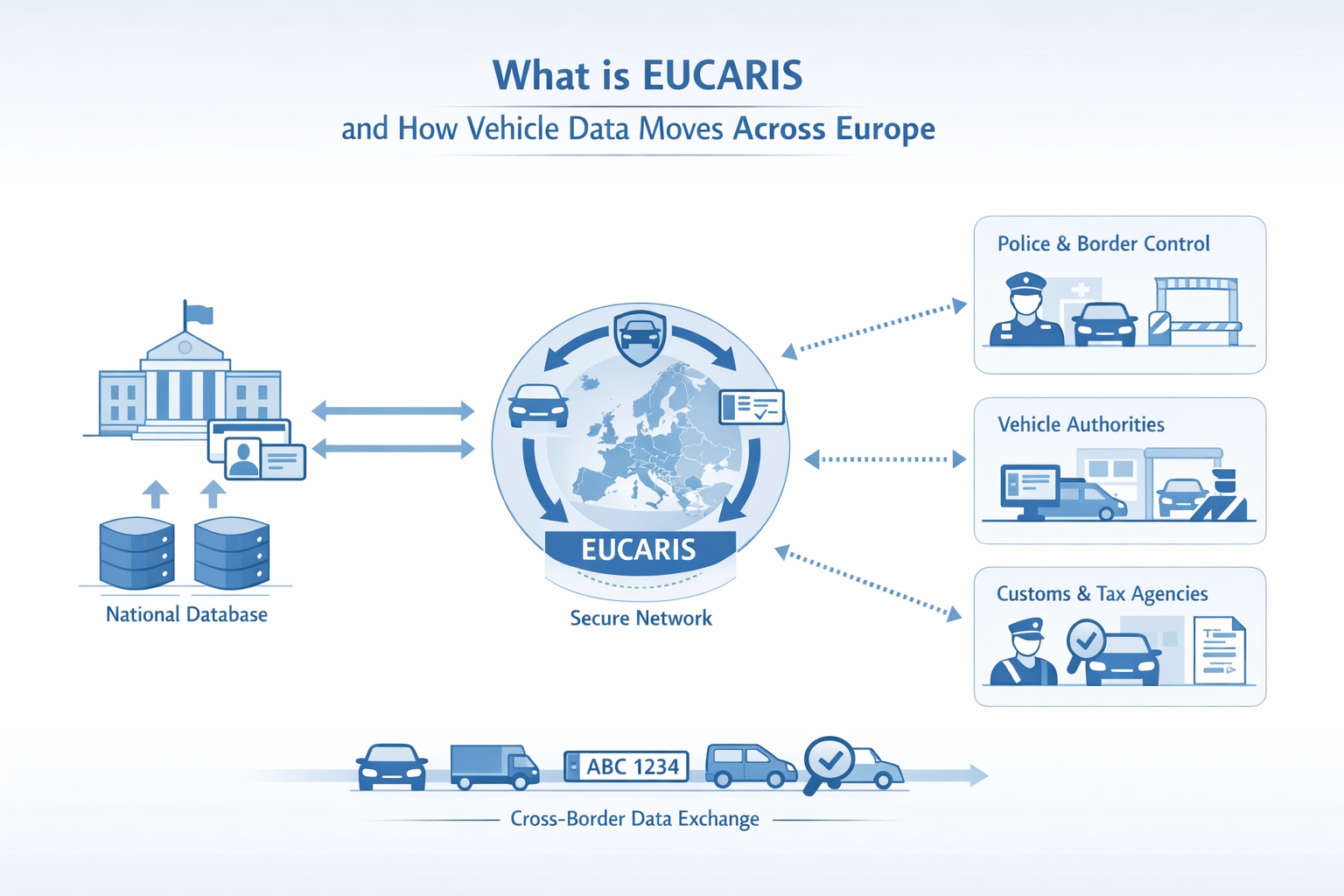
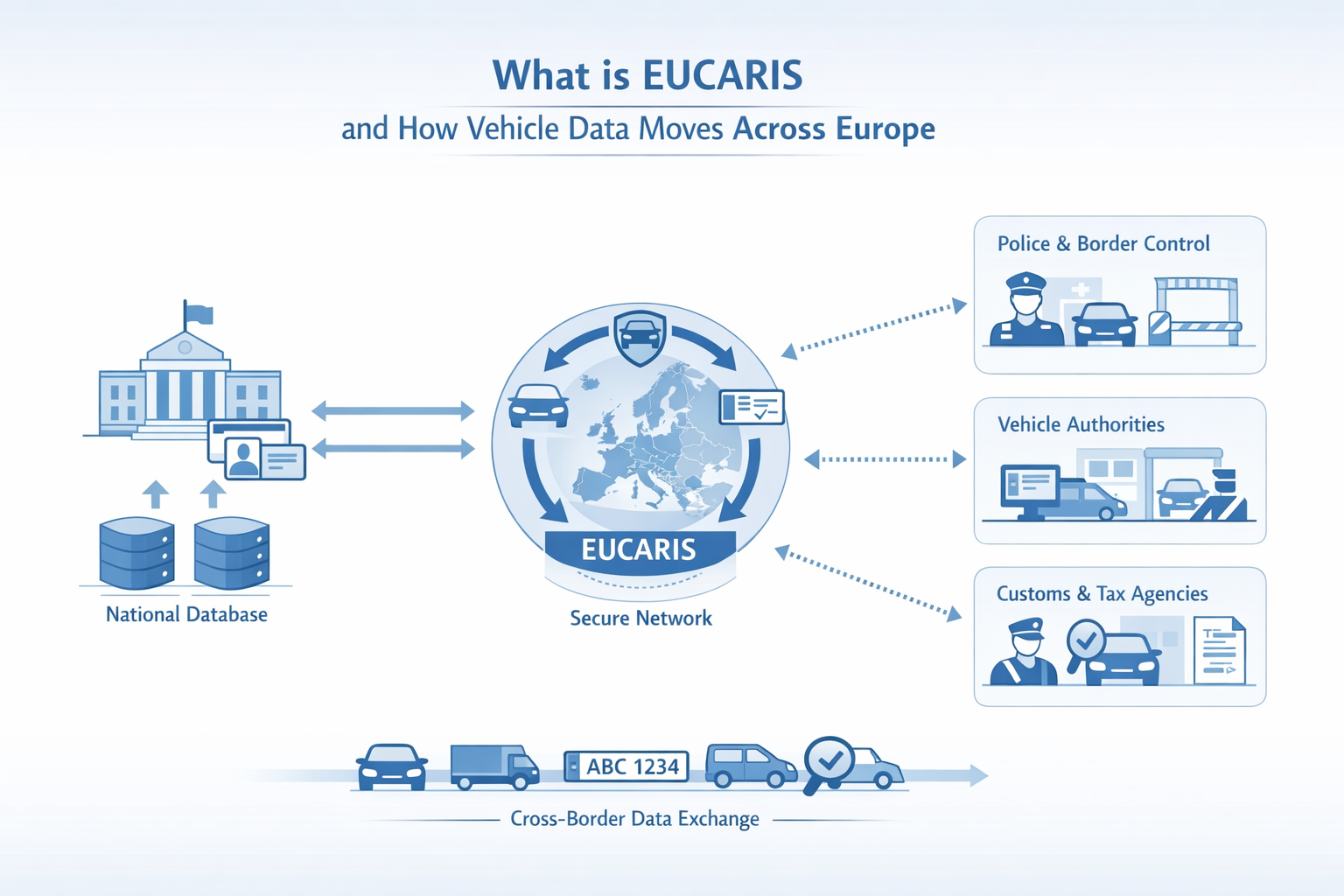
Cross-border registration and verification require shared access to trusted records. EUCARIS supports that exchange layer by connecting national systems without forcing them into one central database.

Learn what EUCARIS is and how vehicle regulatory data is exchanged between authorities across Europe.

Learn how EUCARIS and National Access Points support electronic CoC data exchange and why trusted upstream vehicle data matters before authority submission.

Discover why regulatory vehicle data must remain synchronized across automotive systems and how synchronization supports reliable compliance verification.
Approval records, engineering inputs, structured datasets and registration workflows must stay synchronized across organizations. That is why validation, governance and compliance infrastructure remain central to the regulatory stack.

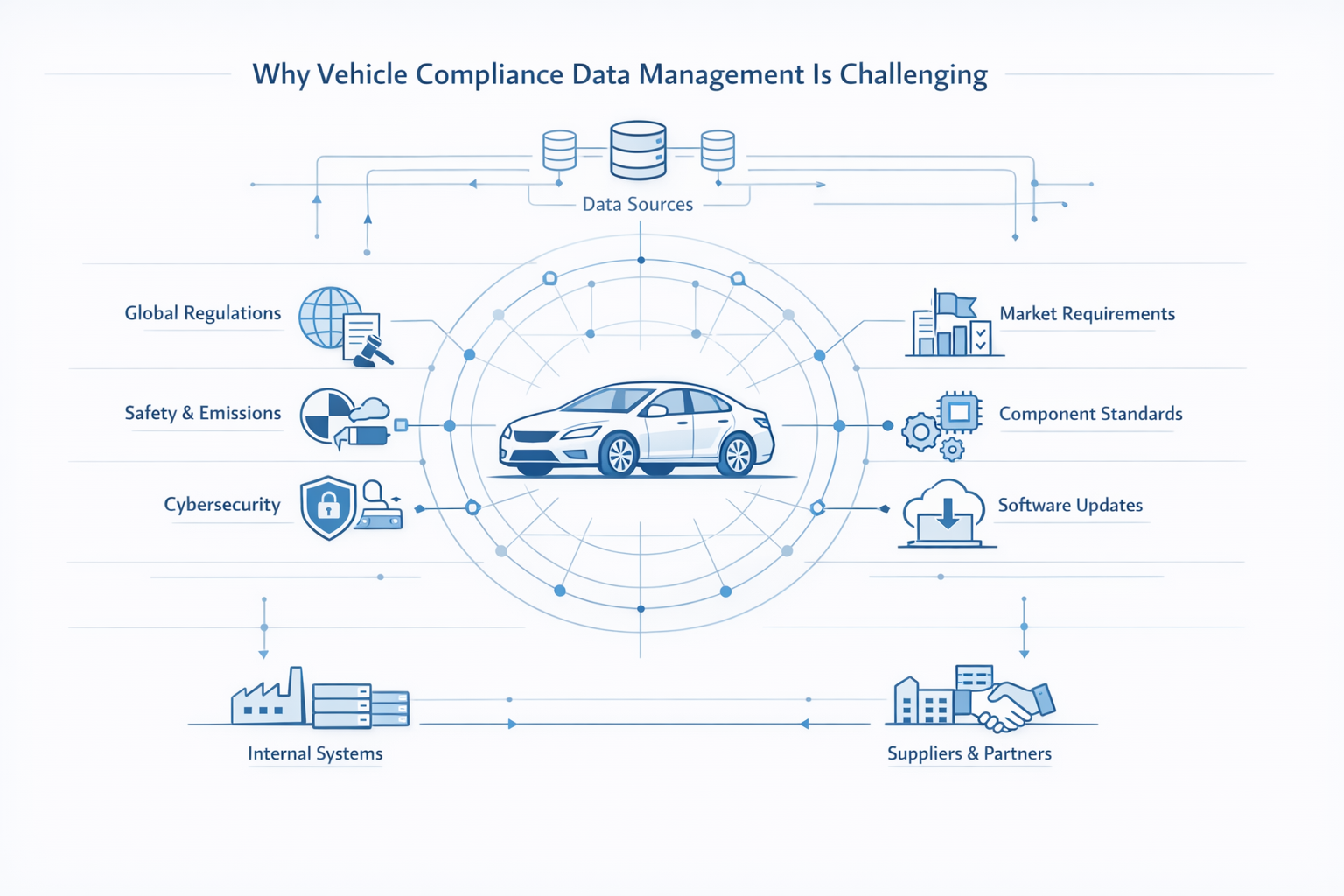
Managing vehicle compliance data across regulatory systems can be complex. Learn why structured vehicle data management requires specialized expertise.

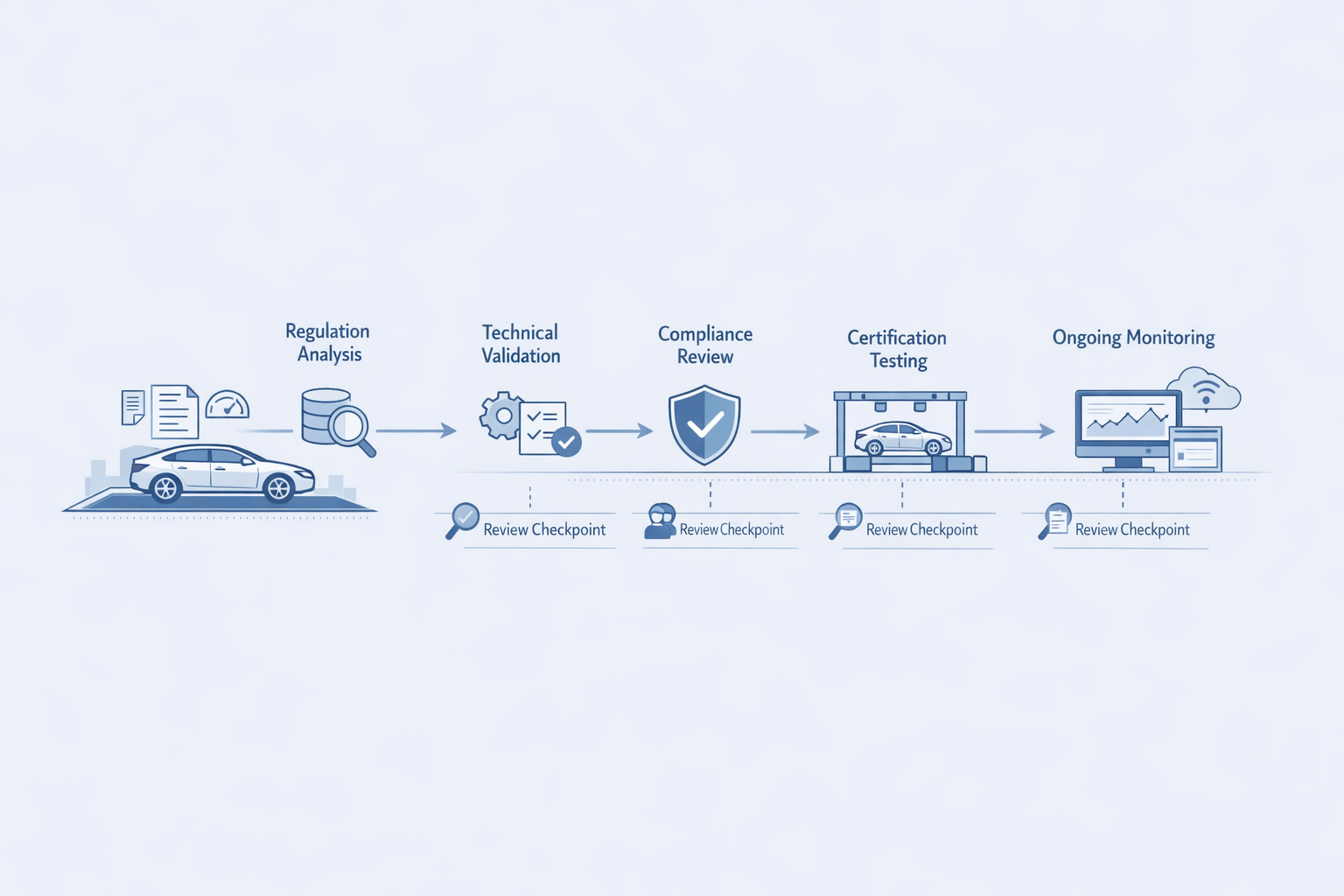
Automotive compliance data must be continuously validated to maintain regulatory integrity. Learn why validation processes are critical for vehicle compliance systems.

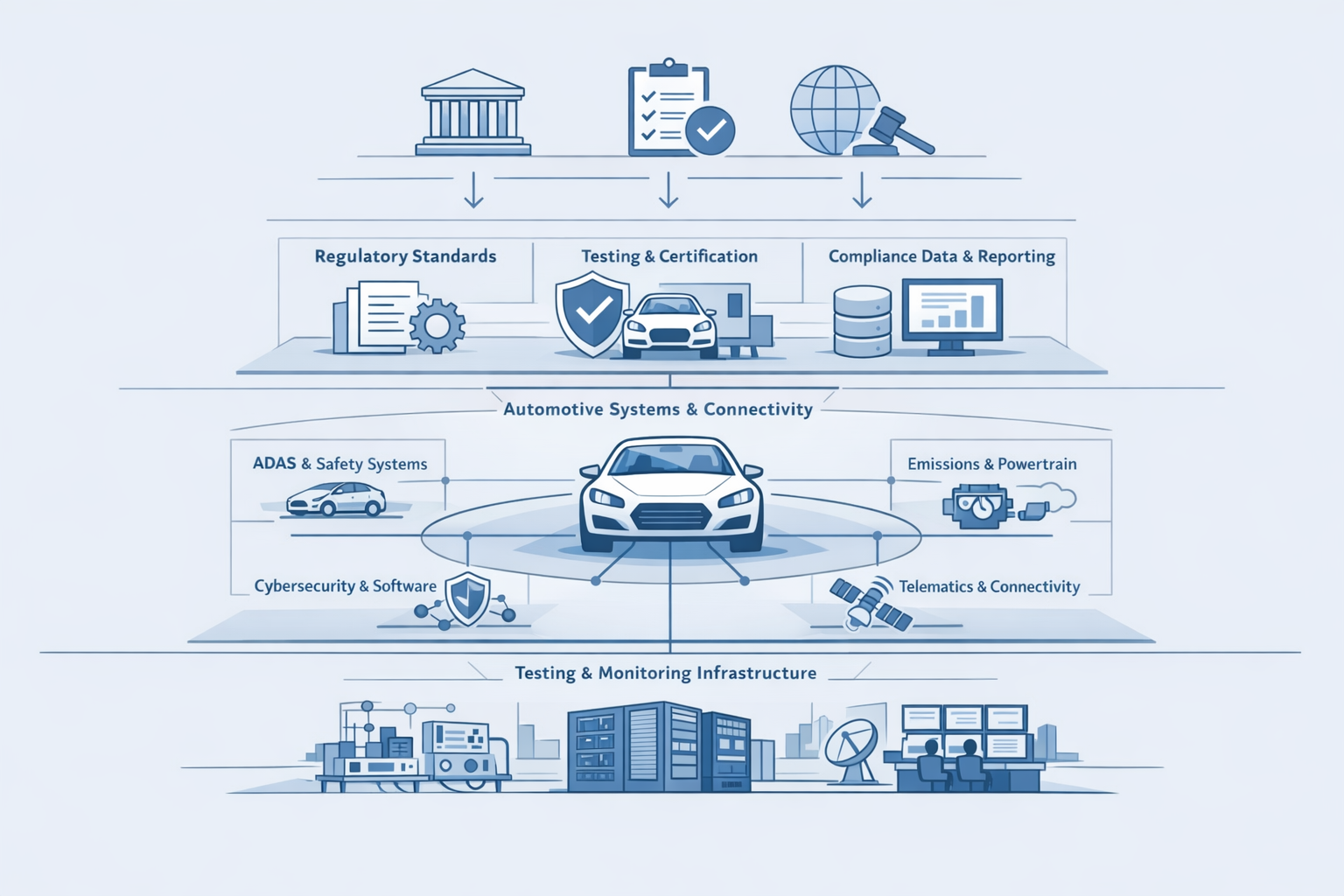
Vehicle compliance infrastructure helps regulatory systems manage complex datasets and verification processes. Learn how compliance infrastructure supports automotive regulation.
Use region-specific guides to connect the compliance cluster with Europe-focused manufacturer expansion, US-to-EU comparison and China-to-EU approval readiness.

Learn what manufacturers need to prepare for electronic Certificates of Conformity in Europe, from approval references to structured data readiness.

Understand how manufacturers prepare for EU vehicle compliance through type approval, structured data governance and controlled release workflows.

Compare US vs EU vehicle compliance and understand why manufacturers must adapt approval logic, data models and release controls when targeting Europe.

Learn what China-based manufacturers should expect when preparing for EU vehicle approval, structured conformity data and European market entry.
These are the high-level questions most often used to understand the vehicle compliance topic cluster.
Vehicle compliance is the set of approval, conformity, verification and registration processes used to confirm that vehicles meet European regulatory requirements.
An eCoC is an electronic Certificate of Conformity that represents approved vehicle information in structured digital form.
IVI data is used to represent vehicle identity and technical characteristics in a structured format that regulatory systems can process consistently.
Type approval establishes the approved vehicle configuration, while compliance systems ensure production, conformity and registration records stay aligned with that approval.
Because multiple systems and authorities rely on the same technical records, strong governance is needed to keep regulatory datasets accurate, synchronized and verifiable.
Next Layer
Use the knowledge hub to navigate the core topic groups, then move into the full blog index for every published article across the compliance ecosystem.
This authority page connects directly to the Knowledge Hub and the Blog so the full topic cluster stays crawlable.